About
The engineer you meet is the engineer who builds it
Most firms send a salesperson first and an engineer later. Ariesworx does not have a first and a later. You talk to the person who will design the process, write the code, and be there when it goes into production.
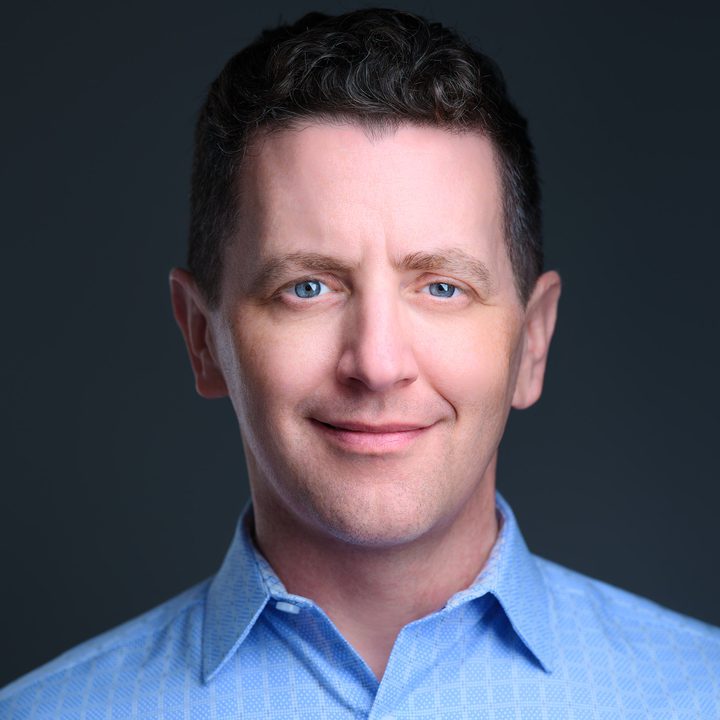
Edward Ward has spent his career as a software engineer. He worked with neural networks and machine learning alongside his time in the military, solving advanced technical problems and building cutting-edge hardware and software. That thread runs to today's LLMs and agentic systems. He was a naval officer and fighter pilot and has years of operational experience leading, developing, and optimizing processes, integrating and developing new technologies, and catalyzing and managing change inside government, military, and corporate teams.
Named for a fixed point
The First Point of Aries is where celestial navigation begins. It is the zero mark on the sky, the point every star's position is measured from. With an accurate clock and that one reference, a navigator with no coastline in sight could fix the ship's position: exactly where it was, at exactly what time.
Most companies are navigating AI in the dark. The tools change every month, and nobody has charted your operations. So the work starts the way a navigator's watch does: take a fix on where the business really is today, plot a course from there, and keep checking it as conditions change.
The name also carries into Aries, the open-source platform we are building to run AI agents reliably, even with the lights off.
Take a fix
Pin down where your operations stand today: the processes, the systems, the data, and the people who know them.
Chart the course
Plot a practical route to where AI agents earn their keep, one capability at a time.
Hold the heading
Models change and tools drift. We retake the fix as you grow and keep the work on course.
What founder-led actually changes
Not a value statement. Four concrete differences you would notice in the first month.
One person, start to finish
The person who walks your floor during discovery writes the integration and answers when it breaks at month nine. Nothing is handed to a team you have not met.
No account layer
There is nobody between you and the work. Questions get answered by the person who knows the answer, and scoping conversations happen with the person who has to be right about them.
Deliberately small
Ariesworx takes on three to five clients at a time, because the model only works if the same person really is present on each one.
Specialists, not a bench of juniors
Designers and process mappers come in where the work needs them. They are specialists brought in for a purpose, not junior staff filling hours.
How we work
The commitments below have been true since the beginning and are the reason clients stay.
Built on your data
Integrated with your business systems. Intelligence from your data, tailored to your operations.
Practical, not theoretical
Solving actual operational challenges with working systems. Hardened and secure. Not prototypes or slide decks.
You own everything
Your agents, code, and data. No lock-in, no black boxes. Your MSP can sustain it if you leave.
We train your people
Your team learns the system while we build it, not after we leave. They know how to use it and how to keep improving it.
Partnership, not a project
Continuous capability evolution. Measured in years, not transactions.
Where we work
Ariesworx is a Wisconsin company and the work happens in Wisconsin. Discovery is on-site because some problems only show up on the shop floor, and the people who can explain them are rarely the people on the call.
On your floor, not on a call
Based in Port Washington and on-site wherever the work happens. Discovery is not a screen share.
Where we travel
Milwaukee, Sheboygan, Green Bay, Madison and anywhere within a day's drive. The limit is deliberate. More time on your floor, less time in transit.
Tell us what's slowing you down
You will be talking to the person who does the work. A short conversation is usually enough to tell whether there is something here worth building.